From the Healthy Latitude Journal
Best Places to Live in Mexico: What Most Expat Guides Get Wrong
After years of living and traveling around Mexico, I've learned that choosing the right place has a lot more to do with your actual living environment than beaches, cost of living, or somebody else's list of the best expat towns.
David Key, QBP
ANMCB-certified practitioner and founder of Healthy Latitude
October 10, 2026
Search Google for the best places to live in Mexico and you'll get plenty of lists.
San Miguel de Allende.
Lake Chapala.
Puerto Vallarta.
Mérida.
Playa del Carmen.
The usual suspects.
They'll tell you about the weather, restaurants, cost of living, real estate prices, healthcare, and how many other foreigners live there.
Fine.
Those things matter.
But I've spent years living and traveling around Mexico, and I think most of these articles are missing some of the most important questions.
Can you sleep there?
Can you comfortably spend time outside?
What's the air like?
How noisy is it?
What happens after dark?
How much time are you going to spend driving around or sitting indoors?
And what happens when the weather changes?
A place can look like paradise on a travel website and turn into a miserable place to live.
I've experienced that more than once.
First, What Makes a Place Good to Live In?
That depends on who's asking.
Somebody retiring at 70 with serious medical needs should probably evaluate a location differently than a healthy 35-year-old who works remotely.
Somebody who loves hot weather might be perfectly happy somewhere that would drive me crazy.
And somebody who needs an active social life probably shouldn't move to an isolated beach just because the photos look peaceful.
I've spent years studying environmental health and quantum biology, but my actual experiences have taught me at least as much as the theories.
I pay particular attention to sunlight, temperature, sleep, noise, air and water quality, artificial lighting, and electrical and wireless exposures.
But I also pay attention to things that are easy to overlook.
Access to food.
Reliable electricity.
Getting around.
Medical care.
Friends.
Because it's entirely possible to move somewhere with beautiful natural surroundings and end up living a terrible lifestyle.
And Mexico offers plenty of opportunities to make that mistake.
Here are some places I've experienced firsthand, what I liked about them, and what I discovered that you probably won't find in most expat guides.
Puerto Escondido, Oaxaca: One of My Favorites for Sun and Outdoor Living
Best suited for: People who prioritize beach access, abundant sunlight, and an outdoor lifestyle—and can tolerate coastal heat.
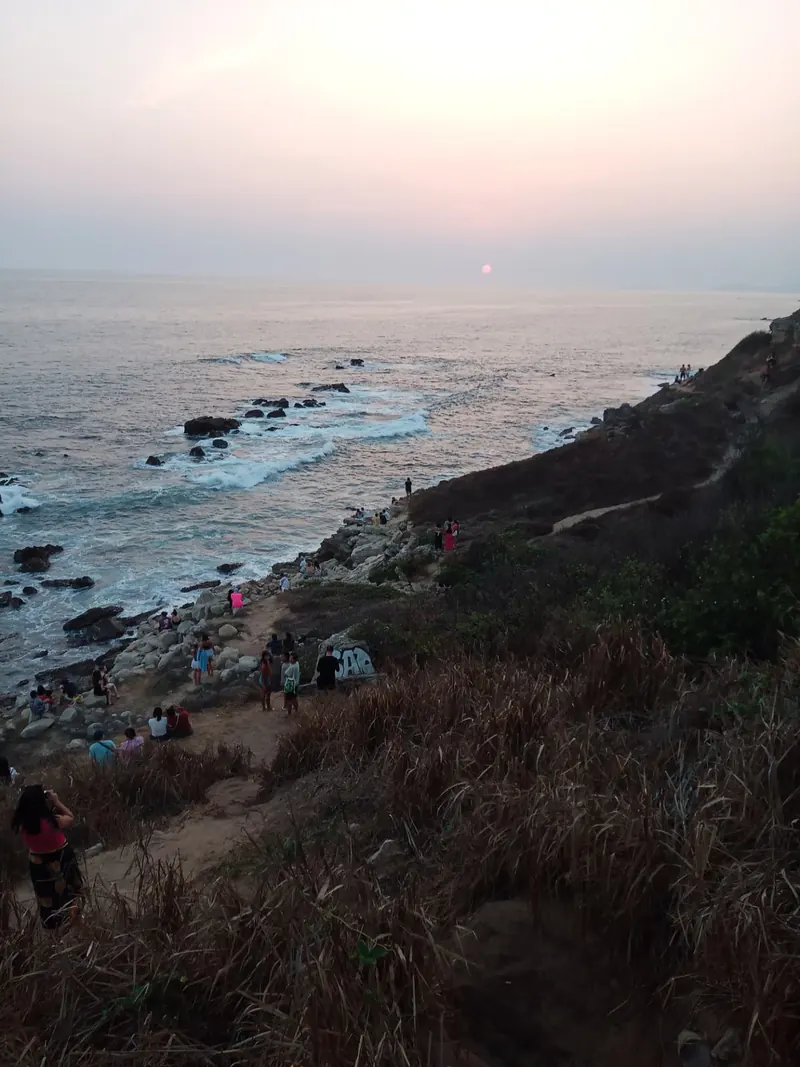
If you asked me where I would go in Mexico because I wanted plenty of sun and easy access to the ocean, Puerto Escondido would be near the top of my list.
I've returned there repeatedly.
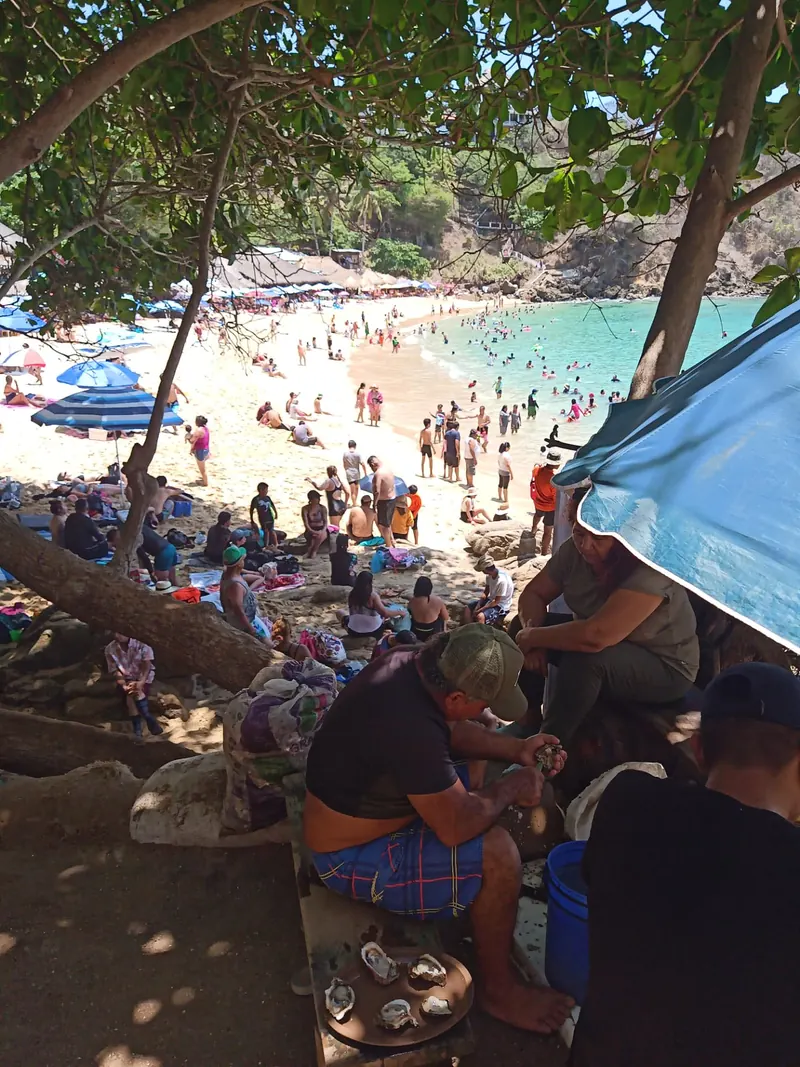
What I like about Puerto is how easy it can be to spend time outside.
I can walk along Playa Bacocho, spend time barefoot on the beach, swim when conditions are suitable, and generally live a life that doesn't require me to be indoors all day.
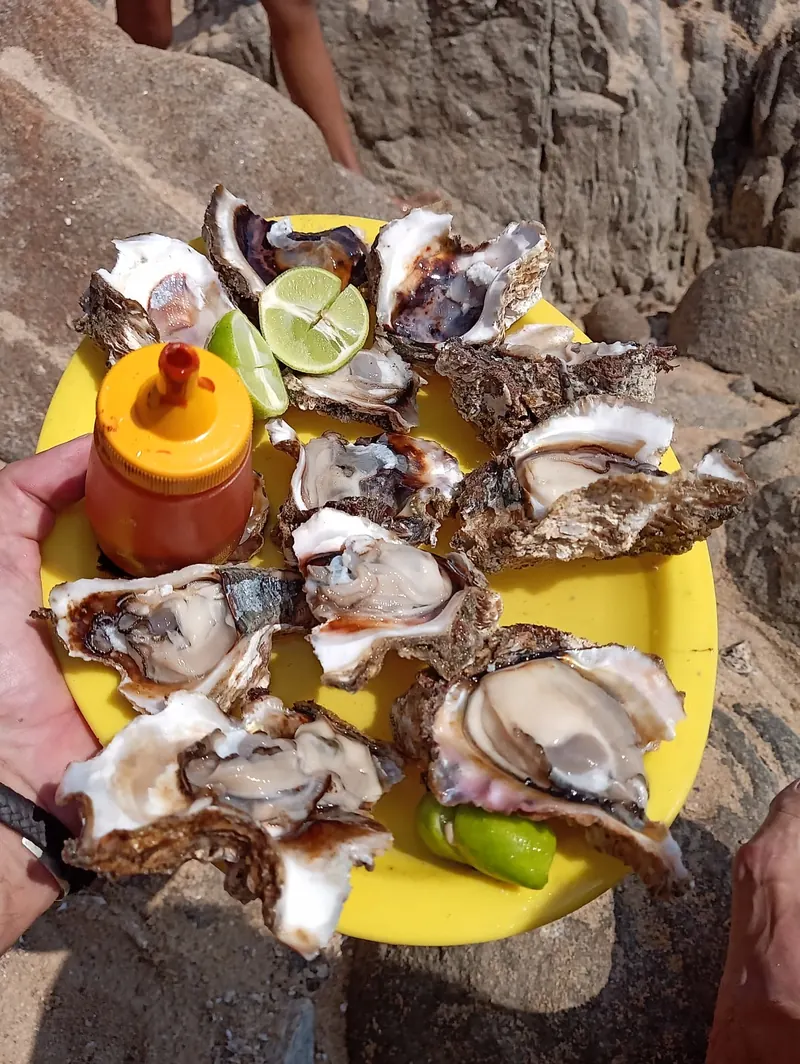
I also love getting fresh oysters down at Playas Manzanillo and Carrizalillo.
That kind of lifestyle appeals to me.
But Puerto Escondido has problems.
It can get extremely hot.
Certain neighborhoods have plenty of nightlife and noise.
Around Zicatela, you might love the restaurants and social activity.
You might also discover that you can't sleep because somebody is partying until 3 a.m.
I've measured radiofrequency signals in parts of town that were much higher than I wanted in my own living environment.
And the Pacific Ocean isn't a swimming pool. Some of those beaches have powerful surf and dangerous currents.
So would I recommend Puerto Escondido?
Absolutely worth investigating.
Would I recommend renting a house there for a year without checking the neighborhood and how hot the bedroom gets at night?
Not a chance.
For me, Puerto's biggest advantage is the outdoor lifestyle.
Its biggest potential drawback is that the heat and development can work against exactly the lifestyle you're hoping to enjoy.
San Cristóbal de las Casas, Chiapas: A Completely Different Mexico
Best suited for: People who prefer cooler mountain weather, an interesting community, and don't mind seasonal rain and cold nights.
San Cristóbal de las Casas is one of the most interesting places I've lived in Mexico.
I arrived in an old Volkswagen van, found a campground outside town, and ended up staying longer than I planned.
Why?
The people.
I made some wonderful friends there. The town was interesting, the countryside was beautiful, and I enjoyed the cooler mountain environment.
In the summer, San Cristóbal can be a great place to live.
But don't forget that it rains heavily during the rainy season.
And winter?
That's a different story.
It gets pretty chilly up there.
Cold mornings. Jackets. Long pants. Shoes.
Sometimes I found myself waiting around for the sun to come out.
I hadn't moved south to spend my days looking for a patch of sunlight between clouds.
But socially, San Cristóbal worked very well for me. That's something I wouldn't dismiss.
For somebody who can't stand tropical heat, the mountain climate might be a tremendous advantage.
For somebody who wants warmth and sunshine all year, it might be a disappointment.
That's why the time of year matters so much.
You can visit a place in July, fall in love with it, move there permanently, and discover by September that you're living in a completely different environment.
Same town.
Different experience.
Tulum, Quintana Roo: Which Tulum Are We Talking About?
Best suited for: People who value the Caribbean coast and can find accommodations away from heavy tourist development.
Tulum is a perfect example of why I don't like making recommendations based on the name of a town.
I've experienced very different living environments within a few miles of each other.
In the developed areas, you have traffic, construction, restaurants, tourism, artificial lights, and plenty of wireless infrastructure.
And the prices?
Ridiculous.
Tulum became so overpriced that, from what I saw, a lot of people simply stopped going there.
On my more recent visits, parts of it felt almost like a ghost town compared with the days when it was a more tolerable place to visit.
It had become a victim of its own popularity.
But I've also stayed in extremely simple places near Tulum where most of my day was spent outdoors.
Beach.
Sunrise.
Swimming.
Cooking outside.
Very little electrical infrastructure.
Quiet evenings.
During one stay in the reserve, my RF meter registered very little compared with readings I'd taken in developed areas.
For my personal preferences, that was a remarkable difference from developed Tulum.
Same general coastline. Same tropical sun.
Two completely different experiences.
What About Swimming in the Cenotes?
Another thing worth investigating around Tulum is water quality.
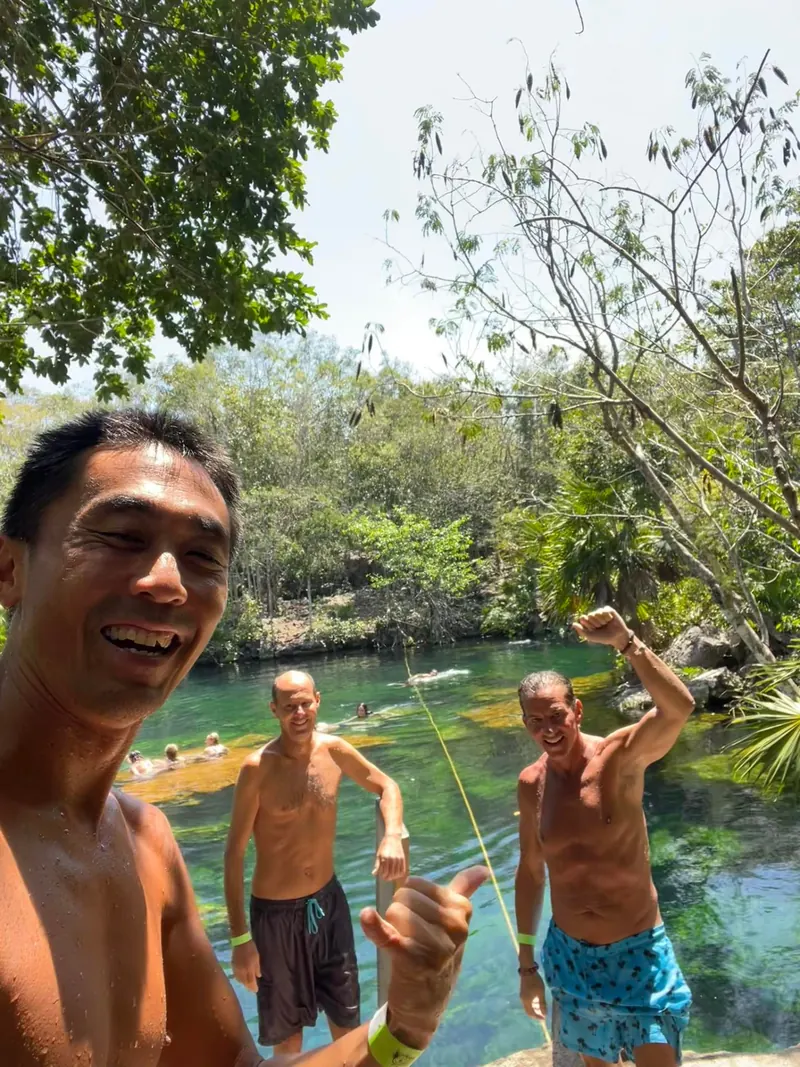
I spoke with a local who worked at a hotel along Tulum's beach road.
He told me that some of the cenotes along that road were occasionally closed because water testing had revealed high bacteria levels.
I didn't personally see the test results or witness the closures, but I certainly wasn't going to ignore what he told me.
Considering how much of Tulum's appeal revolves around swimming in beautiful natural water, I think that's something worth knowing.
Just because water looks crystal clear doesn't mean it's free of contamination.
If swimming in cenotes is an important part of the lifestyle you're looking for, I'd check recent water-quality reports for the specific places you intend to use.
And if you're considering moving to Tulum, I would investigate the actual neighborhood and property very carefully.
I'm not suggesting everybody move into a tent in a protected reserve. There are obvious practical, legal, and infrastructure considerations.
But I would certainly spend some time in Tulum before paying the ridiculous prices some people are still asking.
Playa del Carmen: What Good Is a Beach You Can't Enjoy?
Best suited for: People who value urban conveniences, restaurants, and an active social environment more than peace and solitude.
Playa del Carmen was one of my earlier stops in Mexico.
On paper it looked appealing.
Caribbean beaches.
Warm weather.
Plenty of restaurants and services.
Easy access to other destinations along the Riviera Maya.
And then there was the sargassum.
I have never seen anything quite like it.
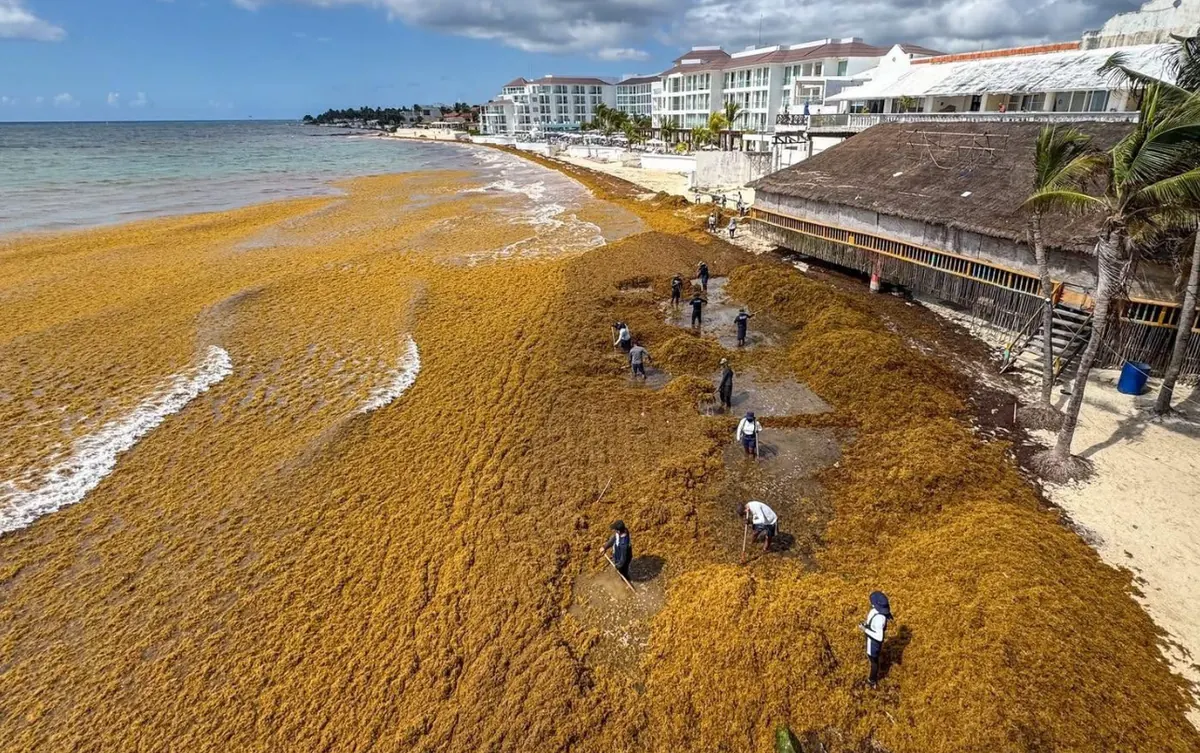
The beaches were covered with enormous piles of rotting seaweed. It was so deep that the cleanup crews couldn't remove it fast enough.
And the smell?
You could practically start gagging before you even reached the beach.
When I was there, practically nobody was going to the beach.
Imagine moving to the Caribbean because you want to spend your mornings walking barefoot in the sand, swimming, and enjoying the ocean.
Then you discover that the beach is covered with mountains of rotting seaweed and smells like a sewer.
Not exactly the lifestyle you had in mind.
Of course, sargassum conditions change with the season, currents, and year. What I experienced doesn't mean every beach is always like that.
But it's something I would absolutely investigate before choosing a home anywhere along that coast.
And there were other things about Playa that bothered me.
Traffic.
Noise.
Lights.
And wireless signals seemingly everywhere I measured.
I wanted an environment where I could spend more time outdoors without dealing with so much of the modern urban environment I'd supposedly moved away from.
For my purposes, Playa wasn't a particularly good fit.
But somebody else might make the opposite judgment.
Maybe having grocery stores, restaurants, medical services, and friends nearby matters more to you than having a quiet, isolated house.
That's a perfectly reasonable tradeoff.
Just don't assume that because a town has a beautiful beach in the photographs, you're actually going to enjoy spending time on it.
Bacalar: Beautiful Lagoon. But Would You Swim in It?
Best suited for: People looking for a quieter environment near nature, provided they investigate water quality, noise, and accommodations.
Bacalar has one of the most beautiful lagoons I've seen in Mexico.
The water is spectacular.
I camped beside it.
The setting looked terrific.
I had access to sunlight, the outdoors, and a simple environment with relatively little electrical infrastructure.
But something caught my attention.
I noticed that I wasn't seeing locals swimming in the lagoon.
I thought that was strange.
Eventually, I spoke with somebody who had lived there for about 20 years.
He told me that locals avoided swimming because sewage drained into the lagoon.
Now, I didn't conduct water-quality testing, and I can't independently verify his explanation for why people weren't swimming.
But I certainly wasn't going to ignore what a longtime resident was telling me.
And the concern isn't unreasonable.
Contamination from sewage and other sources is a real water-quality issue that needs to be investigated around developed lagoons, cenotes, and coastal areas.
I've heard firsthand accounts of bacteria-related cenote closures near Tulum, and the broader region has experienced documented water-quality concerns.
That doesn't mean all of Bacalar Lagoon is contaminated or unsuitable for swimming.
But if you're considering living beside a beautiful body of water, shouldn't you find out whether it's actually safe to swim in?
And that wasn't my only problem with Bacalar.
I couldn't sleep.
Heavy trucks on a nearby highway.
Engine brakes during the night.
A bright light shining into the camping area.
And at that time I was still using CPAP, which created another problem because of the lack of reliable electricity.
I was miserable.
Later, I stayed somewhere else in Bacalar and slept fine.
That experience taught me something that should be obvious but often gets overlooked.
You don't just need to find the right town. You need to find the right bedroom.
And if the beautiful lagoon or beach is one of the main reasons you're moving there, make sure you can actually enjoy it.
A picture of blue water tells you absolutely nothing about what's in that water.
Acapulco: I Prepared for an Earthquake. A Hurricane Tested My Preparations.
Best suited for: People comfortable with a large coastal city who thoroughly investigate infrastructure, storm exposure, and neighborhood conditions.
I lived in Acapulco for a year.
Before October 2023, I had no particular plans to leave.
Living in Mexico, I was aware of the earthquake risk.
I had prepared for that possibility by storing extra food and water.
I wanted to have supplies on hand in case an earthquake disrupted electricity, water, transportation, or access to food.
But it wasn't an earthquake that made those preparations necessary.
It was Hurricane Otis.
I was there when it hit.
The hurricane damaged my condominium building, blew out windows, and devastated most of the surrounding city.
Suddenly the ordinary things people take for granted weren't so easy to find.
Water.
Electricity.
Food.
Transportation.
A functioning building.
I was very glad I'd prepared.
Just not for the disaster I expected.
And that experience changed the way I think about choosing a place to live.
People research average temperatures and beautiful beaches.
But how many ask what happens when the electricity goes out for days?
Or the water stops running?
Or the roads become impassable?
Or the grocery stores have nothing to sell because they've been looted empty?
I'm not saying you shouldn't live somewhere with hurricane or earthquake risks.
I'm saying those risks belong in the decision.
And so does your ability to deal with them.
A place might be wonderful most of the year and extremely difficult when something goes wrong.
I think you need to know both sides before deciding to live there.
Mérida, Yucatán: Safe, Practical, and Not Somewhere I'd Choose to Live
Best suited for: People who place a high priority on personal security, shopping, services, and the conveniences of a large city.
Mérida appears on practically every list of the best places to live in Mexico.
I've traveled through it several times.
And frankly, it isn't somewhere I have any desire to live.
That doesn't mean there's anything wrong with Mérida. Plenty of people seem to love it.
It just doesn't appeal to me.
But there are some important advantages worth mentioning.
Mérida's Reputation for Safety
One thing Mérida definitely has going for it is its reputation for being one of the safer cities in Mexico.
Compared with many other parts of the country, it has historically experienced relatively little of the cartel violence you hear about in the news.
Somebody explained something interesting to me about that.
According to him, high-ranking members of different cartel families live in Mérida with their families. And there's supposedly an understanding among them that nobody brings cartel violence into the city.
In other words, they don't want their own families caught up in the violence going on elsewhere.
Interestingly, I heard almost exactly the same explanation about Querétaro.
A longtime resident of Querétaro told me that high-ranking members of different cartels live there with their families, and that there's an unwritten understanding that cartel violence stays out of the city.
I'd now heard essentially the same explanation about two different Mexican cities.
Is there actually some kind of ceasefire or agreement between these groups?
I don't know.
It's what residents told me, not something I've independently verified.
Hearing the same story about two places doesn't prove it's true, and I wouldn't make a safety decision based on an alleged agreement between criminal organizations.
But I found it interesting.
Whatever the explanation, Mérida's relatively favorable historical safety record is certainly a legitimate reason to consider living there.
Of course, safety conditions can change, and you still need to investigate the neighborhood and current situation.
It just wasn't enough to make me want to stay.
Shopping, Supplies, and Finding Parts for My Old Van
Another advantage Mérida has over places like Cancún is shopping and access to supplies.
You can often find things in Mérida that are difficult to find around Cancún, sometimes at considerably better prices.
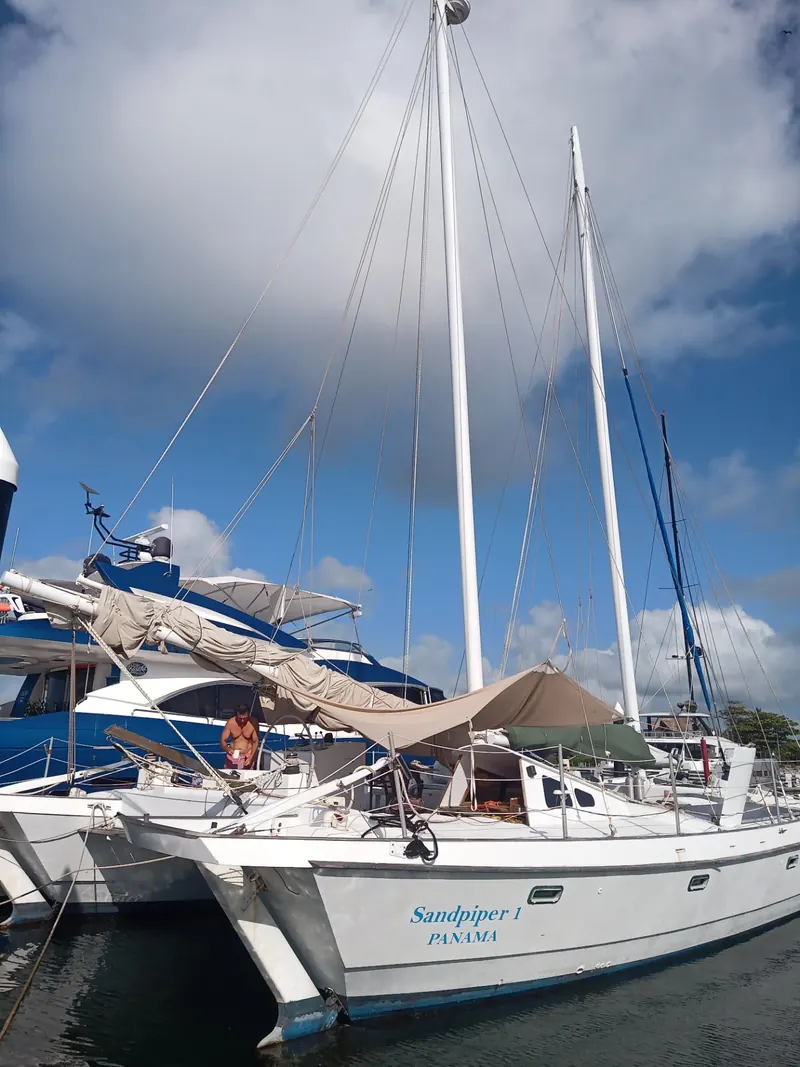
I experienced this firsthand with my old Volkswagen van and with my sailboats.
Finding replacement parts for those things could be a real challenge.
If I couldn't find a part in Cancún, my next place to check was Mérida.
If I couldn't find it there, I'd have to order it from Mexico City.
And when your vehicle or boat needs repairs, waiting around for parts can become a serious inconvenience.
The price differences could be substantial, too.
Even buying a used car in Cancún could cost considerably more than buying a comparable one in Mérida—sometimes nearly twice as much, based on comparisons I'd encountered.
These are the kinds of things people don't usually think about when deciding where to live.
They're looking at beaches, restaurants, weather, and beautiful houses.
But when something breaks, or you need to buy something that isn't readily available, suddenly having access to a larger commercial center becomes pretty important.
So Mérida certainly has some practical advantages.
Relatively little violent crime, better shopping opportunities, and easier access to supplies and services.
It just isn't where I would choose to live.
But go north of Mérida toward the Gulf of Mexico, and you can find a completely different living environment.
Telchac Puerto: Beautiful Beaches, Sunshine, and Almost Nobody Around
Best suited for: People who value sunshine, quiet beaches, seafood, and solitude more than an active social environment.
I stayed right on the beach at Telchac Puerto, north of Mérida.
For four days.
And during those four days, I think I saw only a couple of people walking along the beach.
That's it.
No crowds.
No beach clubs packed with tourists.
No endless parade of people walking past.
Just the Gulf, the sand, the sunlight, and a remarkable amount of peace and quiet.
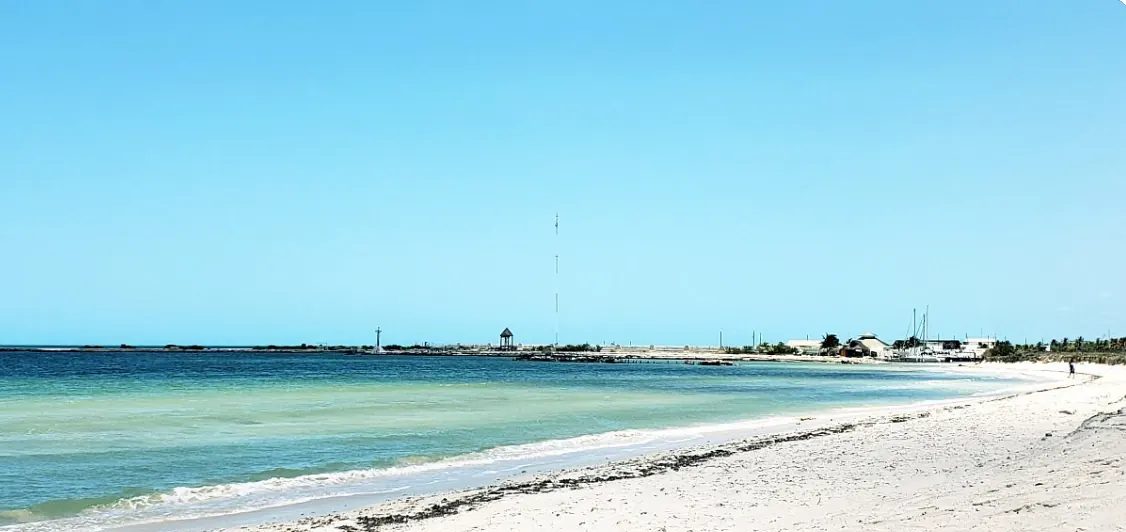
It was a great place for spending time in the sunshine, walking barefoot on the beach, grounding, and enjoying fresh local seafood.
I loved those aspects of it.
But there was another side.
It was lonely.
Really lonely.
A beautiful, nearly deserted beach sounds wonderful when you're trying to get away from the noise and congestion of modern life.
And for a few days, it can be.
But what about a month?
Or six months?
What happens after you've watched the sunset for the hundredth time and there's nobody around to share it with?
I think this is one of the biggest mistakes people make when looking for a place to live.
They confuse a wonderful place to spend a vacation with a wonderful place to live permanently.
Telchac Puerto offered several of the environmental qualities I look for.
Sunshine.
Access to the beach.
Peace and quiet.
But socially, it was missing something important.
And that's a tradeoff I'd have to think about very carefully before living there full-time.
What About Lake Chapala and San Miguel de Allende?
These places appear constantly in articles about the best places to retire in Mexico.
I'm not going to pretend I have the same firsthand living experience with them that I have with the places I've described above.
They may be worth considering, especially if your priorities involve established expat communities, particular climates, or access to services.
But I wouldn't give you a personal environmental assessment based on somebody else's travel blog.
I would want to investigate the actual conditions first.
What is the air quality like in the neighborhood?
How much traffic is there?
Is the house comfortable during the hottest and coldest months?
Can you sleep without noise and excessive lighting?
What's the water supply like?
How close are you to suitable medical services?
And perhaps most important, is this the kind of place where you're actually going to enjoy your ordinary daily life?
These questions matter more to me than how many times a town appears on somebody's list of the best places to live in Mexico.
Seven Things I'd Check Before Moving Anywhere in Mexico
If I were evaluating a new place today, I wouldn't start with a list of the ten most popular expat destinations.
I'd start by figuring out what I actually need.
1. Sunlight and Climate
How much sunshine does the location really get during the months you'll be there?
Not the annual average.
The actual season.
A location might have ideal weather for three months and conditions you can't stand for the rest of the year.
And don't overlook humidity, nighttime temperatures, or the intensity of the rainy season.
Being able to comfortably spend time outdoors is important to me.
But your preferences may be different.
2. Sleep Conditions
I would spend several nights in the actual neighborhood before signing a long lease.
Is it dark at night?
Can I control the bedroom temperature?
Are there barking dogs, trucks, music, generators, or bright lights?
And what happens on weekends?
A place might be quiet on Tuesday afternoon and sound like a nightclub on Saturday night.
A lousy sleeping environment is a deal-breaker for me.
I've learned that lesson the hard way.
3. Air and Water Quality
I would investigate local air pollution, nearby burning, traffic exposure, drinking-water reliability, and the condition of the water infrastructure.
And I wouldn't assume a rural area automatically has clean air or safe water.
I'd check.
My experience in Bacalar is a good example.
Beautiful blue water tells you very little about the actual water quality.
The same goes for the air.
A place surrounded by green vegetation can still have problems with smoke, burning trash, pesticides, or other environmental exposures.
4. The Electrical and Wireless Environment
This is an area I pay more attention to than most relocation guides.
I use meters to investigate radiofrequency signals, electric fields, and other aspects of the environment around a home.
These measurements help me evaluate my personal exposure preferences. They aren't medical tests, and a low reading doesn't automatically make a place healthy.
But I want to know what I'm living around rather than guess.
I've stayed in places with very little electrical infrastructure and others where the readings were dramatically different.
If this is something that matters to you, it's worth investigating before committing to a property.
5. Everyday Access to Nature
Can I walk outside easily?
Is there somewhere pleasant to spend my mornings?
Can I reach the beach, a trail, or a natural area without sitting in traffic for an hour?
Living near nature and actually spending time in it are two different things.
You might live a few miles from a spectacular beach and rarely visit because the traffic is terrible, the parking is difficult, or the beach is covered with rotting sargassum.
That isn't the lifestyle you imagined when you moved there.
6. Healthcare, Infrastructure, and Supplies
How far is the nearest suitable hospital?
What happens in an emergency?
Is electricity dependable?
How reliable are the internet, water, and transportation?
Can you find replacement parts for your vehicle or other essential equipment?
What happens if the roads are damaged or supplies stop arriving?
These things become especially important if you're older, have ongoing medical needs, or work online.
Hurricane Otis certainly changed the way I think about emergency preparedness.
And my old Volkswagen van taught me that access to parts and services can make everyday life a lot easier—or a lot more frustrating.
7. The Life I'm Actually Going to Live
This last one is easy to underestimate.
Am I going to have good friends? (Not just drinking buddies)
Things to do?
A reason to get outside?
Or am I going to move somewhere beautiful, get bored, and spend twelve hours a day staring at a computer?
I've learned that the social environment can matter just as much as the physical one.
San Cristóbal worked very well for me socially, even though I didn't particularly enjoy the winter weather.
Telchac Puerto offered sunshine, a beautiful beach, and peace and quiet.
But almost nobody to share it with.
Both places taught me something important.
You need more than a pleasant climate and beautiful surroundings to build a satisfying life.
So Which Part of Mexico Would I Choose?
Here's where people usually expect me to declare a winner.
And I can't.
If I were prioritizing abundant sunlight, beach access, and an outdoor lifestyle, I would seriously consider Puerto Escondido.
If I wanted a cooler environment and a community I enjoyed, San Cristóbal would be worth another look—particularly during the seasons I like.
If you don't mind moving around then a great combination would be Puerto Escondido in the fall/winter, San Cristóbal in the spring/summer.
If I needed the conveniences of a developed coastal town, Playa del Carmen might make more sense, although it wouldn't be my first choice.
If I wanted a simple Caribbean environment, I'd investigate quieter areas around Tulum, while paying close attention to infrastructure and whether long-term living is actually practical.
Bacalar could be interesting too, provided I found the right accommodation and was satisfied with the local water conditions.
Mérida has definite advantages when it comes to shopping, services, and its relatively favorable historical safety record.
But I wouldn't want to live there.
Telchac Puerto offers the kind of sunshine, beach access, and quiet that appeals to me.
But I'd have to think carefully about the isolation.
And Acapulco?
I have some good memories there, but I would investigate current building conditions, neighborhood infrastructure, and storm preparedness very carefully.
Since the beaches between Cancun and Tulum were so full of seaweed, I found the clean beaches of Isla Mujeres a clear winner in my choice to settle for a few years.
Those are my experiences.
Your priorities might lead to a completely different shortlist.
My Advice for Anyone Thinking About Retiring or Moving to Mexico
Don't make a major decision based on a vacation.
Don't sign a long lease just because you found a beautiful apartment online.
And don't assume the place with the best weather, the lowest cost of living, or the biggest expat community is the best place for you.
If possible, visit several places.
Go during different seasons.
Stay in the neighborhoods you're seriously considering.
Find out what the mornings and nights are like.
Talk to people who actually live there.
Check the infrastructure.
Measure what matters to you.
And pay attention to how you feel living your ordinary daily routine.
Not your vacation routine.
Because those can be two completely different experiences.
You might discover that the place everybody recommends isn't right for you at all.
And some little town nobody puts on a top-ten list might suit you better.
Mexico Has Plenty of Good Places to Live. The Hard Part Is Finding the Right One for You.
After years of exploring Mexico, I no longer believe there's one best place to live.
I don't even believe there's one best place for me.
What worked when I was recovering from serious health problems isn't necessarily what I would choose today.
My priorities change.
So do the places.
And your situation is going to be different from mine.
That's why I started Healthy Latitude.
I help people evaluate places through a health-and-environment lens, looking at climate, sunlight, air and water quality, noise, access to nature, practical infrastructure, and the conditions they'll actually experience every day.
I'm not selling houses.
I'm not an immigration lawyer.
And I'm not going to promise that moving to a particular town will fix your health.
What I can do is help you look beyond the usual expat rankings, understand the tradeoffs, and narrow down the places worth investigating.
If you're already considering a few locations, that's what we explore in my 90-minute Healthy Location Strategy Session.
Because finding a place that looks good in a photograph is easy.
Finding one where you actually want to live?
That's a different project entirely.
David Key is the founder of Healthy Latitude and an ANMCB-certified Quantum Biology Practitioner. He has spent years living and traveling in Mexico and Central America, studying how everyday environments influence lifestyle and well-being. His location consulting is educational and does not replace medical or other licensed professional advice.
Related reading: There Is No “Healthiest Place to Live”